

Field of Crosses Memorial Project – Wire Source

Field of Crosses Memorial Project – Wire Source

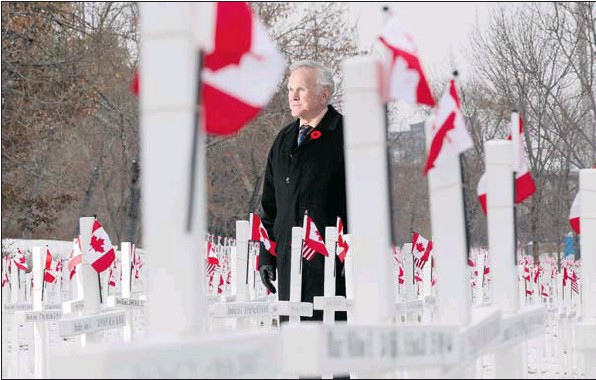
The McCann Family Foundation, the Calgary Poppy Fund and the Field of Crosses Memorial Project's volunteer board of directors wishes to welcome Calgarians to the annual Field of Crosses Memorial Project. "A yearly tribute to Southern Alberta's fallen soldiers" In...
read more
Sunrise ceremonies to honour Albertans killed in war

Sunrise ceremonies to honour Albertans killed in war

The crosses are back on Memorial Drive. There are thousands of them, each white marker a stark reminder of the many southern Alberta soldiers to die in combat. Murray McCann, whose McCann Family Foundation funds the project to erect crosses along Memorial Drive in...

read more

Facebook

Comments Box SVG iconsUsed for the like, share, comment, and reaction icons

The Battle of Vimy Ridge

On the morning of April 9, 1917, after days of heavy artillery bombardments across Northern France, Canadian troops advanced on Vimy Ridge. In their first opportunity to fight together, all four Canadian divisions stormed the front. At 5:30 am, 15,000 troops advanced under the protection of the creeping barrage, a newly adopted strategy that used artillery as a defensive cover.

Vimy Ridge was a strategically important position that saw approximately 150,000 deaths of French and British troops in the earlier stages of the war. To prevent a repeat of earlier efforts, the Canadian corps thoroughly planned and practiced their attack. The infantry was given specialist roles such as machine gunners, rifleman, and grenade throwers to allow for greater firepower and flexibility in the heat of battle. Models of the battlefield and aerial reconnaissance photographs were provided behind the lines for training purposes.

Along with superior preparation, the Canadian forces outnumbered the German defenders, 35,000 to 10,000. By April 12 the Canadians captured the Pimple, a high point on the north end of the ridge, which was one of the most well defended parts of the German lines. Although the battle was successful, April 9, 1917, became and remains to this day, the bloodiest day in Canadian military history. In total, 3,598 were killed and an additional 7,000 wounded. In recognition of Canadaโ€™s success, 100 hectares of land was given to the Canadian government, including Hill 145 in France, which is now the home of the Vimy Memorial. This white marble monument was unveiled in 1936 and is an important reminder of the sacrifices Canadians made.

Each November during the Eleven Days of Remembrance in Calgary, Alberta, the Field of Crosses commemorates 143 Canadians from Southern Alberta who made the ultimate sacrifice at Vimy Ridge from April 9 to April 12, 1917.

www.fieldofcrosses.com/
... See MoreSee Less

Image attachment
Image attachment
Image attachment
Image attachment
Image attachment

Happy Easter from all of us at The Field of Crosses ๐Ÿฃ

Wishing you and your family a beautiful day filled with warmth, laughter, and time spent with the people who matter most. May this weekend bring a sense of renewal, a little extra joy, and moments worth holding onto.
... See MoreSee Less

Happy Easter from al

๐Š๐„๐‹๐‹๐˜ ๐‰๐š๐ฆ๐ž๐ฌ ๐€
Age: 26โ€“ FLS RCN
Date of Death: 04/11/1946

James Aubrey Kelly was born on February 20, 1920, in Red Deer, Alberta, to William James Kelly and Lillian Overton Kelly, of Calgary, Alberta. He was the brother of his sister, Muriel.

After graduating from Western Canadian High School, James worked as a salesman, store clerk and telegraph messenger for the Canadian Pacific Railway.

Having two years of military experience in the Sea Cadets, James enlisted with the Royal Canadian Navy on September 2, 1940, in Calgary, Alberta. He served on various ships until he was drafted to the HMCS Athabaskan on February 4, 1942.

On April 29, 1944, the HMCS Athabaskan was torpedoed and sunk by enemy action in the English Channel. James survived the attack but was reported as missing on May 1st.

On May 9, 1944, it was learned that James and several others had been captured by the German Naval Forces and became prisoners of war in Germany. In a โ€˜capture cardโ€™ sent home to his parents, he reported, โ€œI have been taken prisoner of war in Germany and am in good health.โ€ They were being held at the Prison Camp Marlag und Milag Nord near the village of Westertimke, Germany. His POW number was 1291.

A year later April 29, 1945, James was freed from the POW camp. A Naval Message to his parents on May 8, states; โ€œYour son was recovered from German hands, has arrived in the United Kingdom on May 4, 1945, but regret he has been admitted to the Canadian General Hospital, Bramshott, Surrey, England with a broken right legโ€.

James was transported back to Montreal, Canada and granted a 60-day leave, returning to active service on July 28, 1945, with the HMCS Cresent.

Tragically, at the age of 26, while serving onboard the HMCS Cresent on November 4, 1946, James accidentally fell overboard whilst rigging an accommodation ladder and drowned at sea. His name is inscribed on the Halifax Memorial in Nova Scotia, Canada.

Each November during the Eleven Days of Remembrance the Field of Crosses in Calgary, Alberta commemorates Leading Seaman James A Kelly.

www.fieldofcrosses.com/
... See MoreSee Less

๐Š๐„๐‹๐‹๐˜

๐€๐”๐ƒ๐„๐“ ๐‘๐ข๐œ๐ก๐š๐ซ๐ ๐‰ ๐ƒ๐…๐‚
Age: 22 โ€“ F/L RCAF
Date of Death: 03/03/45

Richard Joseph Audet was born on March 13, 1922, in Lethbridge, Alberta. He was the son of Paul and Edewisca Audet, and husband of Iris Christina Audet (nee Gibbins) of Pinner, Middlesex, England.

Raised on the family ranch and received his education at the Milk River Valley School and at Coutts, Alberta. An accomplished athlete, he enjoyed a wide range of sports, including hockey, basketball, and baseball. In 1940-1941, he attended business college in Lethbridge, Alberta, before working as a stenographer and bookkeeper at the air force base at High River.

Enlisting in the Royal Canadian Air Force (RCAF) on August 7, 1941, Richard received his pilot wings in October 1942. He was subsequently posted to the United Kingdom for five months of advanced operational training. On September 20, 1944, he was transferred to an RCAF Spitfire unit, 411 Squadron.

On December 29, 1944, Richard achieved record-setting war history by piloting a Spitfire IXe, and shooting down five enemy aircraft, two Bf 109s and three Fw 190s in a five-to-seven-minute dogfight over the Rheine/Osnabruck of Germany. This action earned him a promotion to Flight Lieutenant, and the Distinguished Flying Cross (DFC).

Audet had flown more than 50 sorties. Tragically, on March 3, 1945, he was killed in action after his aircraft was hit by anti-aircraft fire while strafing an armed German train near the Coesfeld area west of Munster, Germany.

Flight Lieutenant Audet has no known grave. His name is recorded on the Runnymede Memorial in Surrey, England. He was posthumously awarded a bar to his DFC.

Each November during the Eleven Days of Remembrance in Calgary, Alberta, the Field of Crosses commemorates Flight Lieutenant Richard Audet.

www.fieldofcrosses.com/
... See MoreSee Less

๐€๐”๐ƒ๐„๐“

Happy St. Patrick's Day from all of us at The Field of Crosses ๐Ÿ€

๐˜”๐˜ข๐˜บ ๐˜ต๐˜ฉ๐˜ฆ ๐˜ณ๐˜ฐ๐˜ข๐˜ฅ ๐˜ณ๐˜ช๐˜ด๐˜ฆ ๐˜ถ๐˜ฑ ๐˜ต๐˜ฐ ๐˜ฎ๐˜ฆ๐˜ฆ๐˜ต ๐˜บ๐˜ฐ๐˜ถ.
๐˜”๐˜ข๐˜บ ๐˜ต๐˜ฉ๐˜ฆ ๐˜ธ๐˜ช๐˜ฏ๐˜ฅ ๐˜ฃ๐˜ฆ ๐˜ข๐˜ญ๐˜ธ๐˜ข๐˜บ๐˜ด ๐˜ข๐˜ต ๐˜บ๐˜ฐ๐˜ถ๐˜ณ ๐˜ฃ๐˜ข๐˜ค๐˜ฌ.
๐˜”๐˜ข๐˜บ ๐˜ต๐˜ฉ๐˜ฆ ๐˜ด๐˜ถ๐˜ฏ ๐˜ด๐˜ฉ๐˜ช๐˜ฏ๐˜ฆ ๐˜ธ๐˜ข๐˜ณ๐˜ฎ ๐˜ถ๐˜ฑ๐˜ฐ๐˜ฏ ๐˜บ๐˜ฐ๐˜ถ๐˜ณ ๐˜ง๐˜ข๐˜ค๐˜ฆ;
๐˜ต๐˜ฉ๐˜ฆ ๐˜ณ๐˜ข๐˜ช๐˜ฏ๐˜ด ๐˜ง๐˜ข๐˜ญ๐˜ญ ๐˜ด๐˜ฐ๐˜ง๐˜ต ๐˜ถ๐˜ฑ๐˜ฐ๐˜ฏ ๐˜บ๐˜ฐ๐˜ถ๐˜ณ ๐˜ง๐˜ช๐˜ฆ๐˜ญ๐˜ฅ๐˜ด ๐˜ข๐˜ฏ๐˜ฅ ๐˜ถ๐˜ฏ๐˜ต๐˜ช๐˜ญ ๐˜ธ๐˜ฆ ๐˜ฎ๐˜ฆ๐˜ฆ๐˜ต ๐˜ข๐˜จ๐˜ข๐˜ช๐˜ฏ,
๐˜ฎ๐˜ข๐˜บ ๐˜Ž๐˜ฐ๐˜ฅ ๐˜ฉ๐˜ฐ๐˜ญ๐˜ฅ ๐˜บ๐˜ฐ๐˜ถ ๐˜ช๐˜ฏ ๐˜ต๐˜ฉ๐˜ฆ ๐˜ฑ๐˜ข๐˜ญ๐˜ฎ ๐˜ฐ๐˜ง ๐˜๐˜ช๐˜ด ๐˜ฉ๐˜ข๐˜ฏ๐˜ฅ.
... See MoreSee Less

Happy St. Patricks D
Load more